Tire Maintenance & Safety
Cracked Tires: Identification, Causes & Solutions
Are your tires beginning to crack? Is it something you need to take seriously? Here’s your introductory guide to understanding cracked tires.
Free shipping
Best price guarantee
SimpleCrew exclusive savings
0% APR Financing
Tire replacement coverage
24/7 roadside assistance
Easy returns
Tire Maintenance & Safety
Are your tires beginning to crack? Is it something you need to take seriously? Here’s your introductory guide to understanding cracked tires.
Are your tires beginning to crack? Is it something you need to take seriously? This guide helps you identify the warning signs of cracked tires and how to maintain your vehicle's safety.
Cracked tires are tires that have developed visible lines, splits, or fissures on their surface, indicating that the rubber compounds are beginning to break down. This degradation compromises the tire's structural integrity and can lead to dangerous road conditions.
Key Facts About Tire Cracking:
Tires are the only point of contact between your vehicle and the road. They play a critical role in ensuring a safe and comfortable ride. However, over time, tires can develop cracks that may compromise their performance. Cracked tires are not just a cosmetic issue; ignoring or failing to address these splits can lead to reduced traction and even accidents.
Cracked tires are tires that have visible lines or splits on their surface. These cracks can appear on various parts of the tire, including the tread, sidewalls, and shoulders. The presence of cracks indicates that the tire is aging and its structure may be weakening.
Tire cracks develop due to a combination of factors. Exposure to the elements, such as UV light, heat, and chemicals, can cause the rubber compounds in tires to deteriorate over time. This process, known as dry rot, is a common culprit behind cracked tires. It's important to note that while some superficial cracks may not pose an immediate danger, they should not be ignored. Even small cracks can worsen over time, compromising the tire's ability to perform safely.
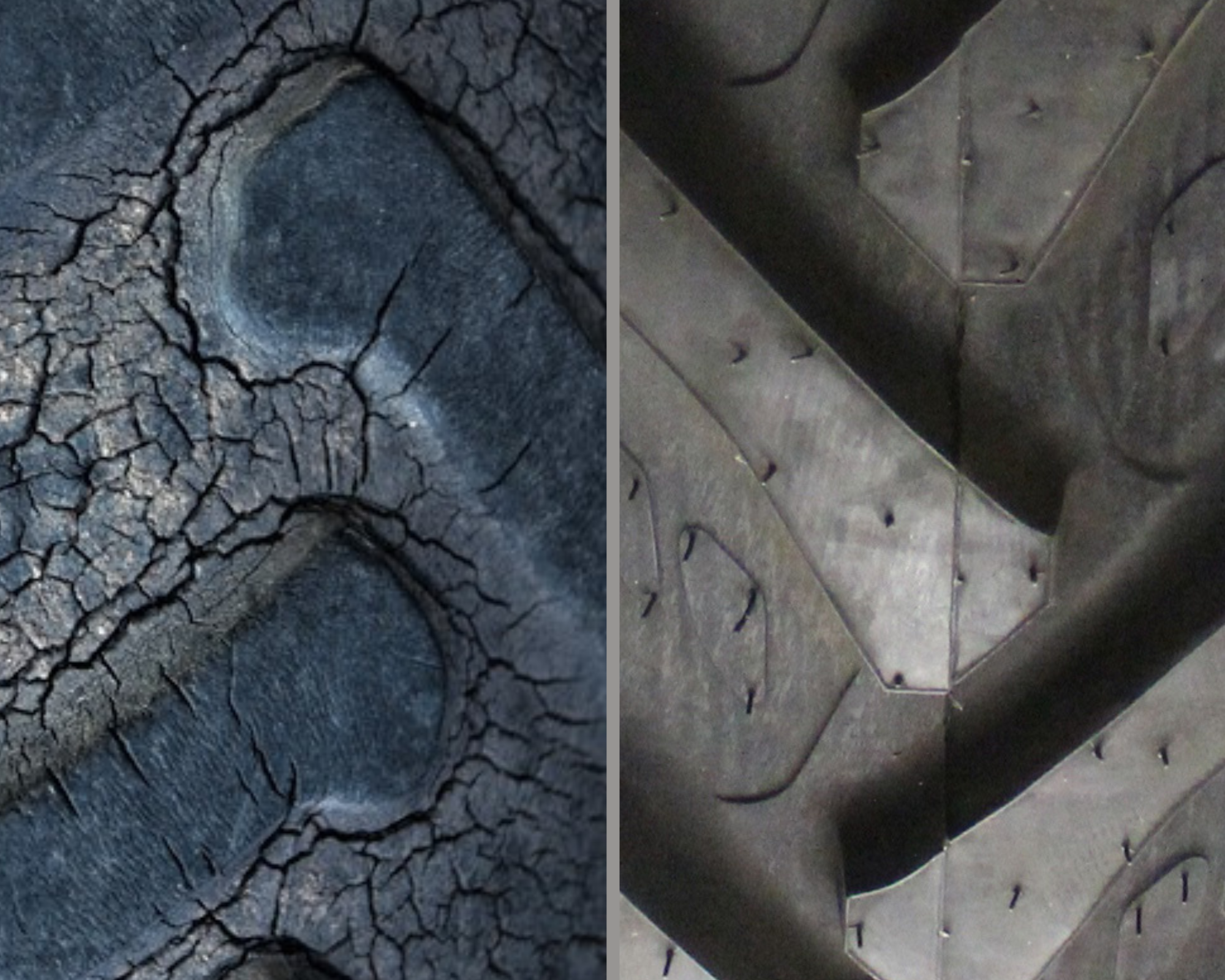
When tires are stored outdoors or driven in areas with high ozone levels and intense sunlight, you may notice weathered, cracked tires. This specific type of damage occurs when UV rays strip the protective oils from the tire's rubber, making it brittle. Unlike mechanical damage, weather cracking often appears as a "spiderweb" of tiny fissures across the entire sidewall. To protect your investment, consider parking in a garage or using tire covers if your vehicle sits for long periods.
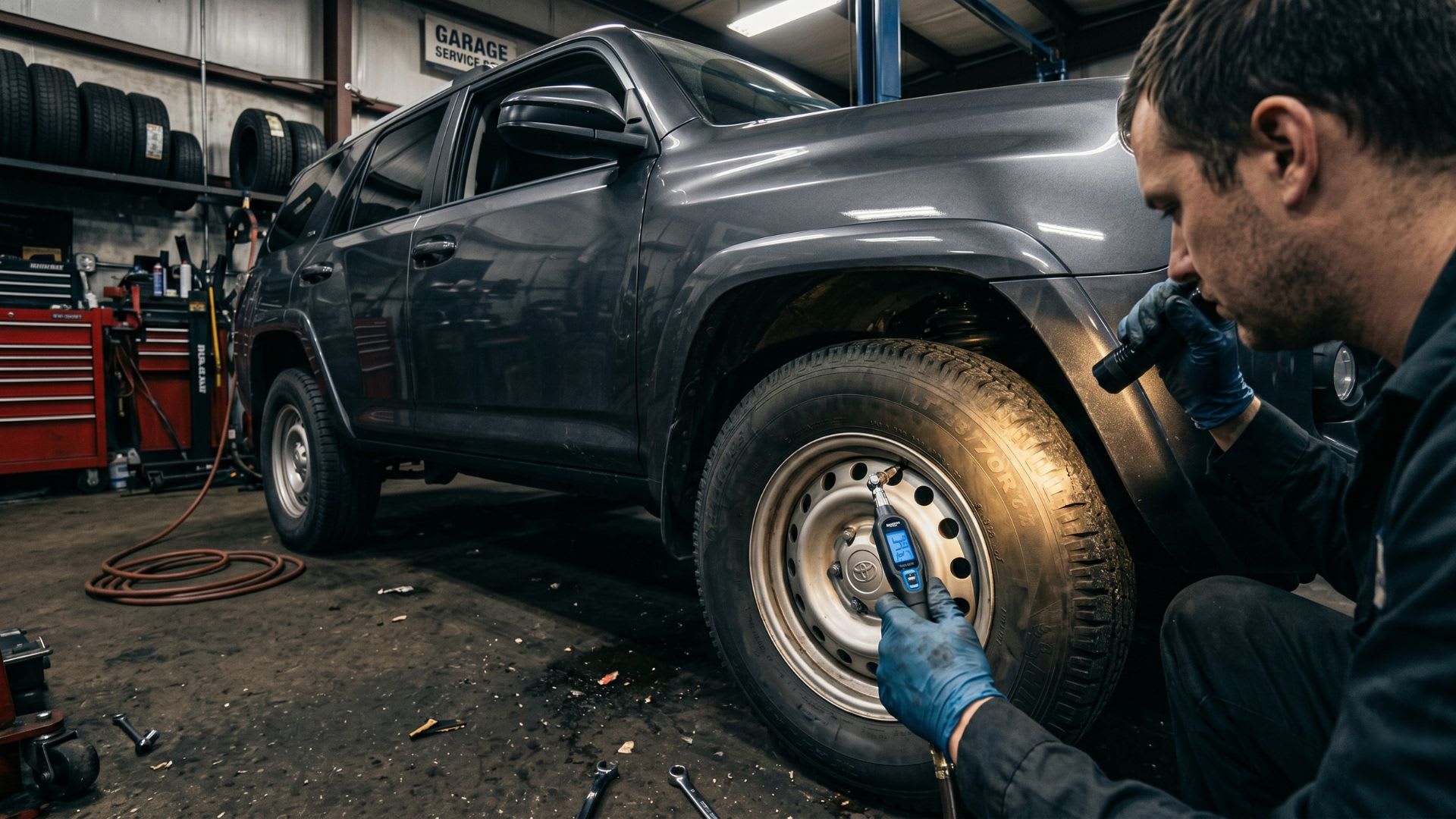
Identifying cracked tires requires a thorough visual inspection. Start by examining the tire's surface, paying close attention to both the tread and sidewalls. Look for any signs of small lines or splits in the rubber. Ensuring your tires are in peak condition involves careful examination. Start by focusing on the tire's tread area, which can often show early signs of wear and tear.
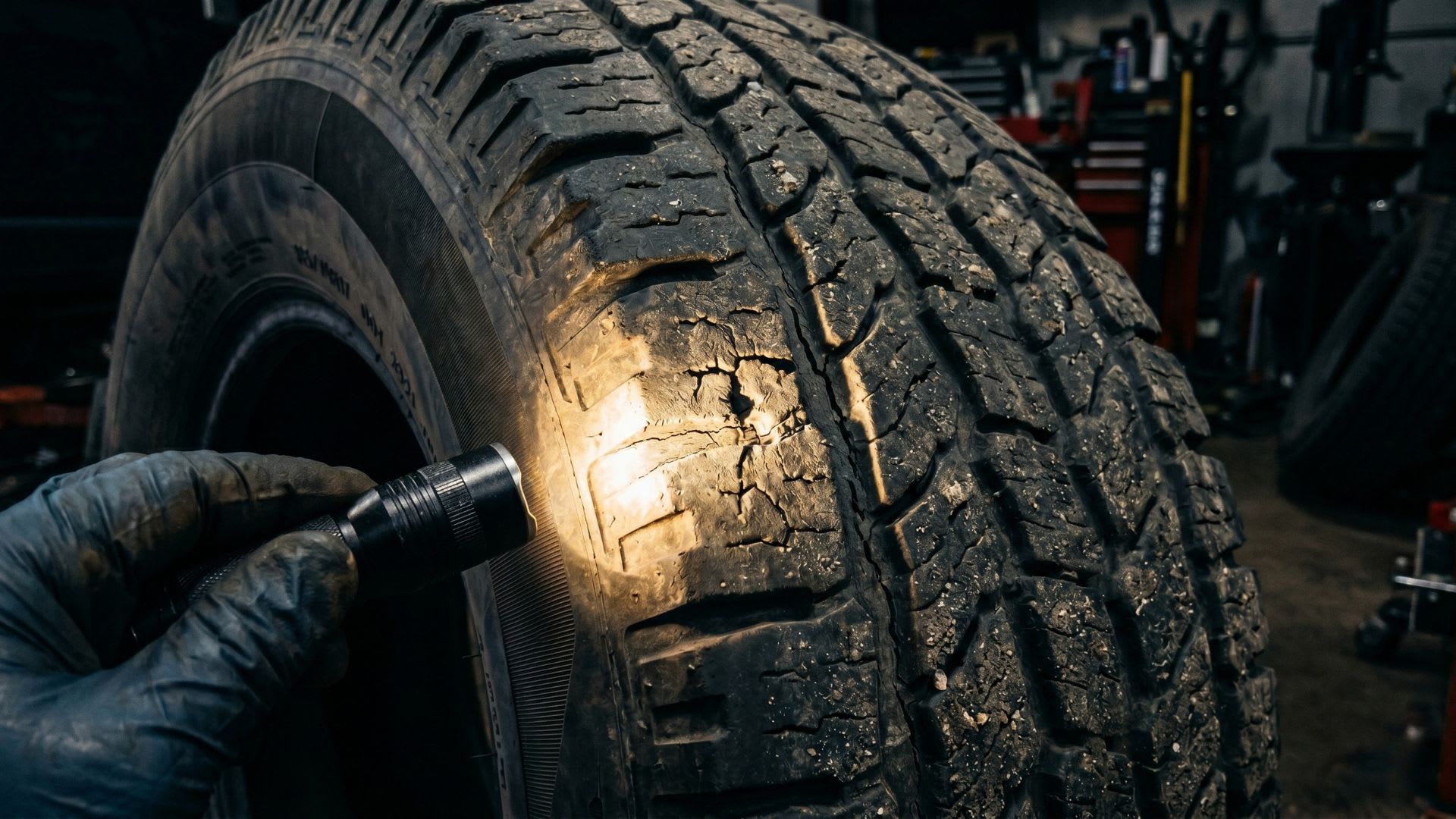
Shift your attention to the tire sidewalls next. Cracks here can be more telling of a tire’s overall durability and health. Inspect both the inner and outer sidewalls meticulously. Even minor damage in this area can rapidly escalate, posing risks of blowouts or air seepage. For a detailed inspection, use a flashlight to highlight any subtle or hidden damage that might be missed otherwise.
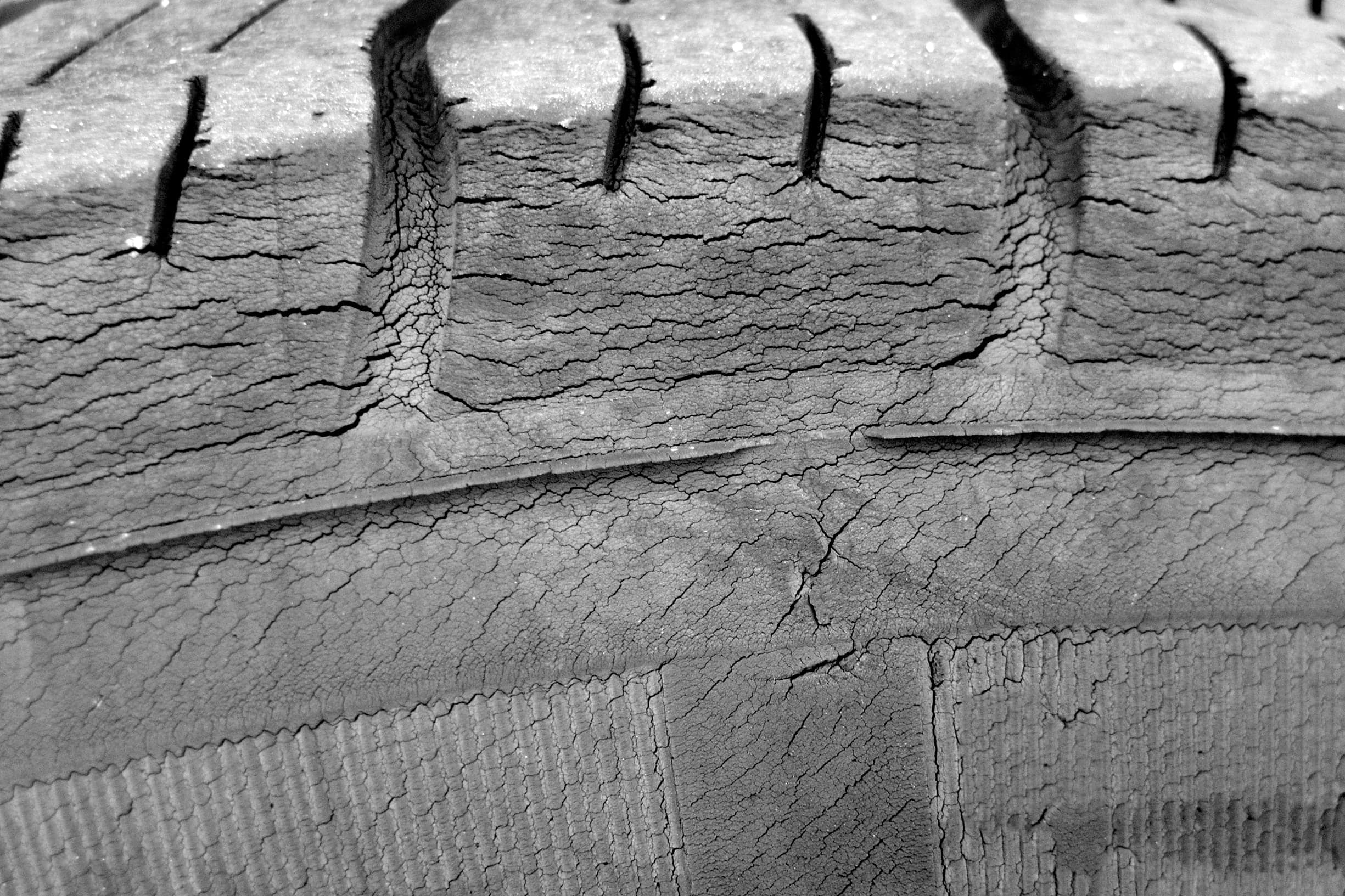
While sidewall cracks are common, finding cracks in tire treads is equally concerning. These cracks often form in the base of the grooves. If you see deep splits between the tread blocks, it suggests the tire is no longer flexible enough to grip the road properly. This is particularly dangerous for winter tires or all-season tires that rely on rubber pliability for traction in wet or snowy conditions.
Tire cracks emerge from several factors that gradually weaken the rubber. Prolonged exposure to sunlight can lead to the breakdown of rubber compounds, causing the surface to become fragile. High temperatures can further exacerbate this effect, making the tire more prone to developing cracks. Additionally, certain road conditions and substances might contribute to the degradation of the tire material if not cleaned regularly.
Aging is another primary factor. As tires get older, they naturally lose their flexibility and strength. Keeping track of a tire's lifespan and being aware of the signs of tire cracking can help manage this issue before it becomes problematic. Proper tire maintenance is crucial; failing to maintain correct inflation leads to increased stress and heat build-up.
Determining the severity of tire cracks involves examining their characteristics. Small, surface-level cracks generally indicate natural aging. These are typically not an immediate concern, but suggest the tire's material is slowly degrading. In contrast, cracks that penetrate deeper or are widespread are alarming. Such extensive damage compromises the tire's ability to function safely, heightening the likelihood of failure under stress.
When considering tire crack repair options, recognize that such solutions mainly address aesthetics. Products that promise to fill in cracks only improve appearance without enhancing structural soundness. For tires with extensive cracking, opting for new tires is the most prudent decision. Installing fresh rubber ensures reliable traction and safety.
Take proactive measures to extend a tire’s lifespan. Clean tires regularly using gentle methods to remove potentially damaging substances. Avoid using products with strong chemicals that may degrade the tire’s surface. Reducing exposure to harsh environmental conditions can significantly preserve tire quality. Parking in covered areas or using tire covers can shield tires from harmful UV rays.
If you're in need of new rubber to replace your worn set, shop for tires online with us and let our experts help you find the best deals to keep you rolling with confidence.
Small, hairline surface cracks (often called "weathering") can be normal as tires age. However, if the cracks are deep enough to see the internal cords or if they are concentrated in the sidewall, the tire should be replaced immediately.
Driving on tires with significant dry rot or cracking is risky. The heat generated during driving causes the rubber to expand, which can turn a small crack into a full blowout. It is best to have a professional inspect them.
You may also be interested in:
Understanding Tire Size Meaning and Importance
Decipher tire size codes! Learn what each number means and why it matters for safety and performance. Find the perfect fit for your vehicle.
Tire shoulder: Overview & maintenance
The tire shoulder is located on the outside edge of the tread where it meets the sidewall. Get the complete information about what the tire shoulder, its importance and how to best maintain it only at SimpleTire.com.
Is that white film normal? Understanding tire blooming and other aesthetic issues
Seeing a white film on your tires? Learn about tire blooming and other common aesthetic issues. Understand why they happen, if they're normal, and how to keep your tires looking great.
Search By