Tire Buying Guides
Tire Serial Number: What It Is & How to Read It (DOT Code)

Free shipping
Best price guarantee
SimpleCrew exclusive savings
0% APR Financing
Tire replacement coverage
24/7 roadside assistance
Easy returns
Tire Buying Guides
Understanding your tire serial number is essential for vehicle safety, tracking recalls, and knowing exactly when it's time for a replacement. This guide breaks down how to locate and decode these critical markings to keep you informed and safe on the road.
In an effort to make the roads safer, tires manufactured for use and sale in the United States have a DOT number that includes the tire serial number. This identification string allows the United States Department of Transportation to monitor the quality of parts used on vehicles and helps drivers identify specific production batches.
Key Features of the Tire Serial Number:
Shopping for new tires can be a daunting task, but SimpleTire is here to help make it easier. We'll tell you how to find the tire serial number and read the information on the side of every tire. Whether they're manufactured for use in the United States, Europe, or Asia, tires have important information printed on their sidewalls. The tire serial number is the official stamp of approval by the United States Department of Transportation.
In order to read the tire serial number, you'll first need to find the letters "DOT" on the side of the tire. The serial number is typically smaller than the tire size code. After the DOT, you'll find a series of numbers and letters. The tire serial number location is the sidewall, which contains a host of other information as well. Note that on some tires, the full serial number may only be printed on the inboard sidewall (the side facing the vehicle).
Reading the tire serial number is a simple process that aids in the overall understanding of tire manufacturing and age. Here is how the code is broken down:
Knowing about the DOT serial number will help you maintain the tires well. Beginning from the year 2000, four numbers are used to denote the Date of Manufacture. For example, in a code ending in 0517, "05" indicates the tire was manufactured in the 5th week of the year, and "17" denotes the year 2017. A tire serial number decoder can also break down these digits to give you the year, week, and month of the tire.
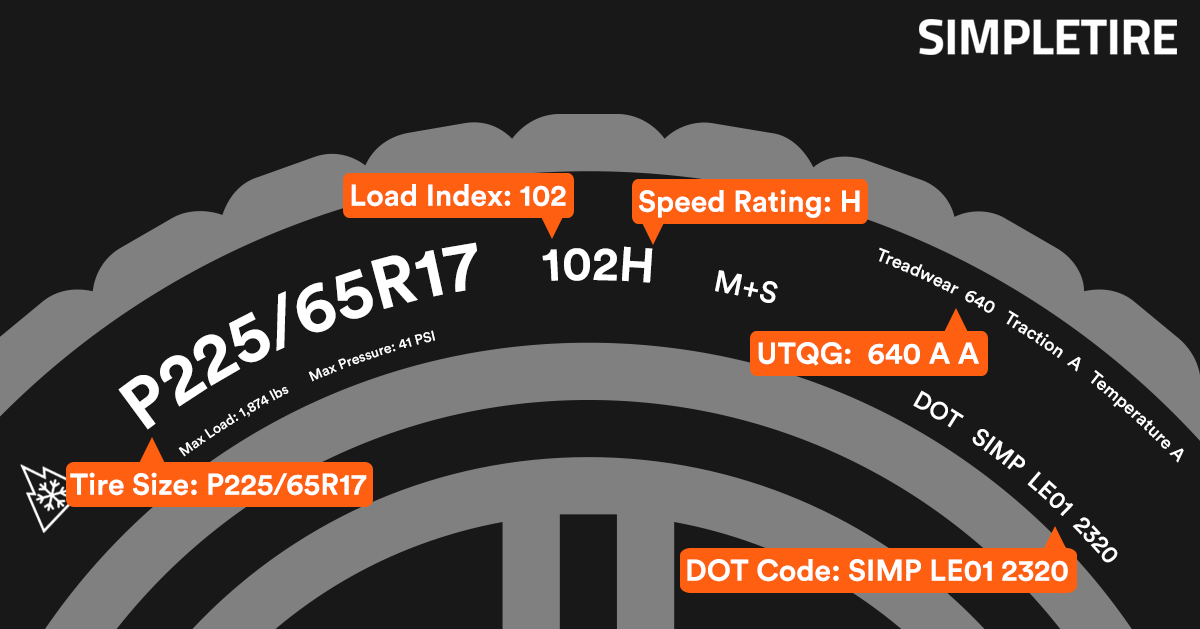
Many drivers ask, "What do the numbers on a tire mean?" beyond just the DOT code. While the serial number tracks production, the larger numbers on the sidewall define the tire’s physical capabilities.
Tire Number Meaning Breakdown:
Understanding this tire number meaning will help you buy the correct passenger tires for your specific vehicle.
Maintaining your tires is vital to maximizing their performance and longevity. Here are a few things to consider based on your tire's specifications:
The numbers and letters on a tire’s sidewall can be confusing, but they really don’t have to be. The tire serial number allows drivers to track recalls and safety issues while ensuring they are not driving on expired rubber. If you are unsure about your tire's age or condition, you can register your tires online to stay updated on safety notices. To maximize safety, vehicle owners must stay aware of tire age and specifications to prevent loss of grip or high wear rates.
No, the DOT serial number is not a unique "VIN" for every single tire. Instead, it identifies the manufacturer, the plant, and the specific production batch (the week and year it was made).
If your tire has a three-digit date code (e.g., 129), it was manufactured before the year 2000. These tires are considered expired and should be replaced immediately, regardless of tread depth.
You may also be interested in:
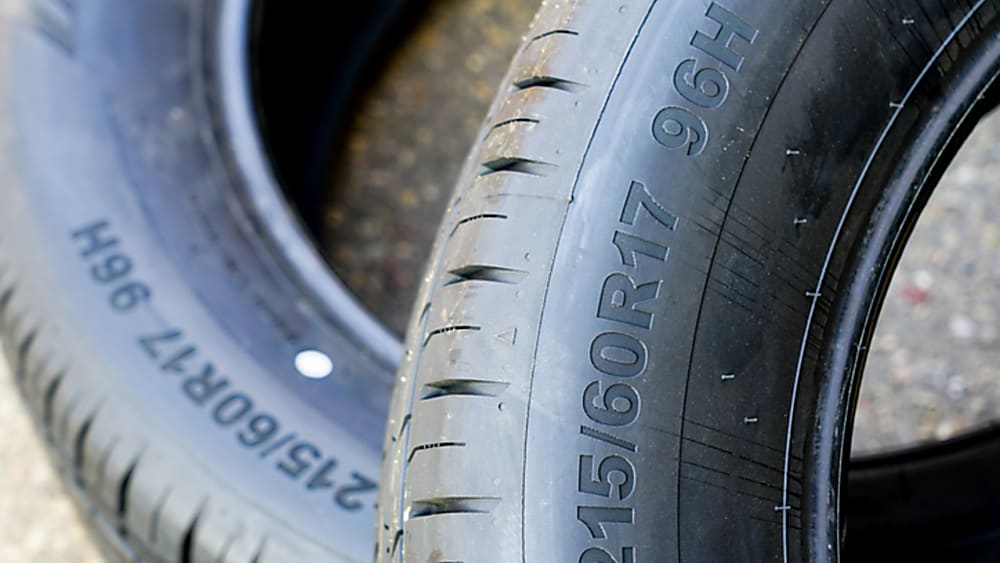
Speed ratings inform automakers and vehicle owners of the maximum speed capability of their tires. Here’s everything else you should know about tire speed ratings.

Tire load rating is important to consider for the assurance of vehicle safety. Find excellent information on tire facts & load ratings specifically at SimpleTire.com.
Are Puncture-Resistant Tires Worth the Extra Cost?
Learn if the puncture-resistant tires are worth the extra cost compared to the standard tires.
Search By