Best tires
Free shipping
Best price guarantee
SimpleCrew exclusive savings
0% APR Financing
Tire replacement coverage
24/7 roadside assistance
Easy returns
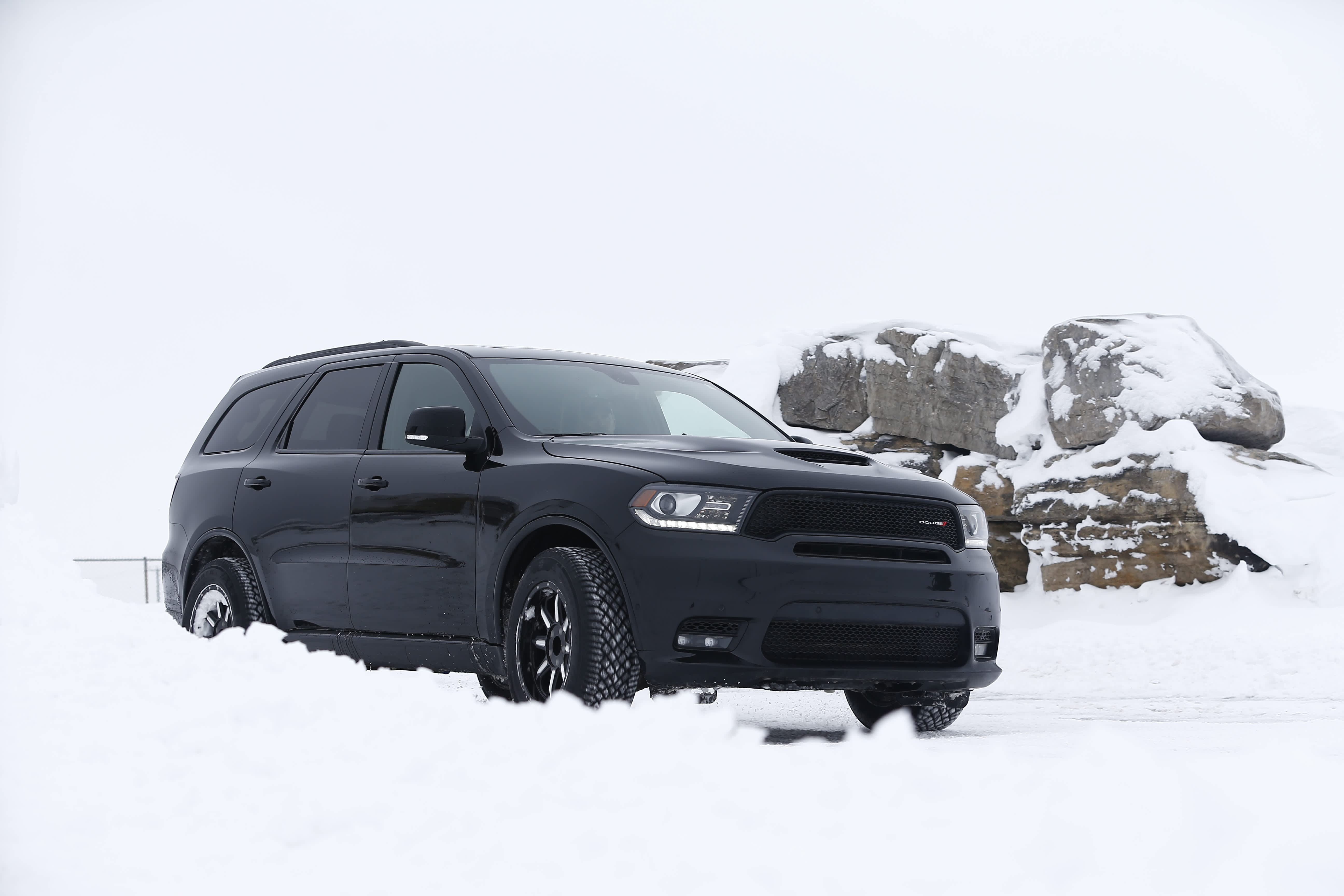
As winter approaches, vehicle owners in regions prone to severe weather conditions begin their search for the best snow tires to ensure optimal safety and performance on treacherous roads. Selecting the right winter tires is crucial for maintaining traction, stability, and control when navigating through snow, ice, and slush.
Last updated 7/28/2026 - Originally published 2/27/2025
Written by Ankit Verma, Expertly reviewed by Brett Antosh
Choosing the Best Snow Tires for Winter Driving
The best snow tires are specialized tires engineered with unique tread patterns and flexible rubber compounds to provide superior grip in temperatures below 45 degrees Fahrenheit. Unlike standard tires, they are designed to remain pliable in extreme cold, ensuring the tire can "bite" into frozen surfaces.
- Three-Peak Mountain Snowflake (3PMSF) Symbol: Indicates the tire is certified for severe snow service.
- High Sipe Density: Thousands of tiny slits in the tread blocks that act as gripping edges on ice.
- Cold-Weather Rubber: Specialized compounds that stay soft in freezing temperatures for better road contact.
- Directional Tread Patterns: Deep grooves designed to pump slush and water away from the tire to prevent hydroplaning.
What Are the Best Snow Tires for Harsh Winter Conditions?
When it comes to selecting the best snow tires for severe winter weather, there are several standout options that consistently deliver exceptional performance. A few of the top contenders in this category are the Bridgestone Blizzak DM-V2, Nokian Hakkapeliitta 10, Continental VikingContact 7, Falken Winterpeak F-Ice 1, and General Grabber Arctic LT.
1. Bridgestone Blizzak 6
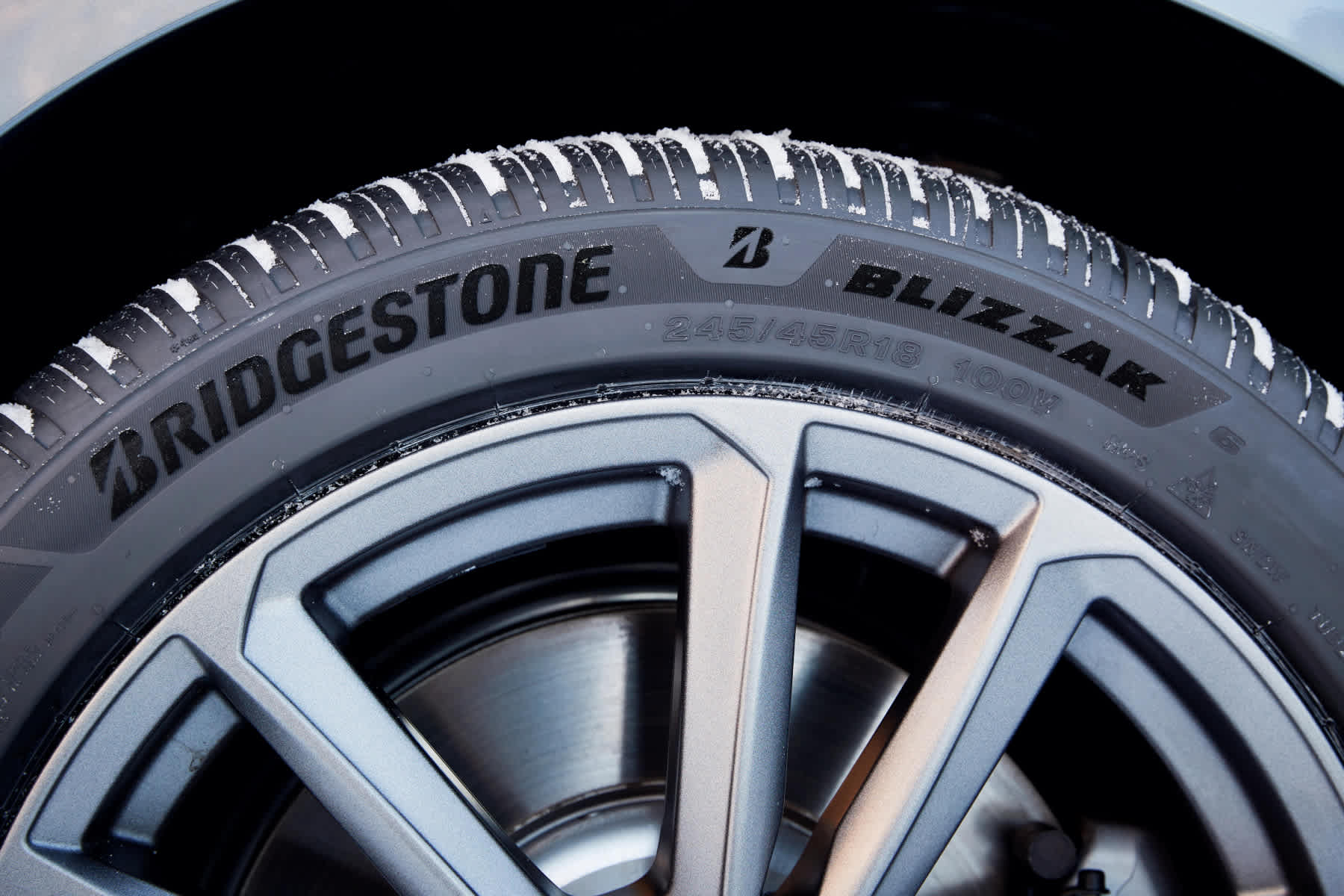
The Bridgestone Blizzak 6 is za winter tire designed for use on sedan and sports cars, and offers confident braking on ice and snow, long-lasting tread life, and consistent control. Featuring a Three Peak Mountain Snowflake (3PMSF) certification, the Blizzak 6 is a premium tire starting at $227 per tire and is available in several sizes ranging from 17 to 22 inches. With its next-gen tread compound, optimized tread pattern, deeper tread, and aggressive block edges, the tire delivers solid performance with an overall SimpleScore of 8.6 out of 10. The tire received an excellent score of 9.4 in traction, an admirable 8.0 in longevity, and a great score of 8.4 in handling.
2. Nokian Hakkapeliitta 10
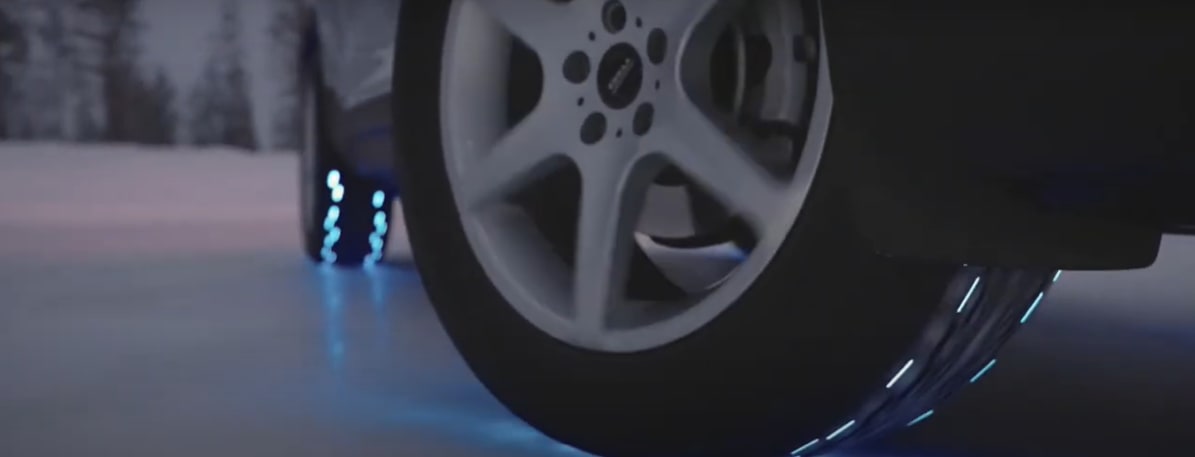
The Nokian Hakkapeliitta 10 is another superior winter tire featuring an average SimpleScore of 8.8, with a best-in-class score of 8.8 in traction, 8.5 in handling, and 8.8 in longevity. Starting at $133 per tire, the Hakkapeliitta 10 delivers excellent performance with Nokian’s Double Stud technology that maximizes traction, braking, and acceleration on snowy roads. The advanced winter-specific rubber compound further improves the flexibility of the 3PMSF-certified tire available in tire sizes ranging from 14 to 19 inches. The tire can also be studded, where permitted, for even better performance on icy and snowy roads.
3. Continental VikingContact 8
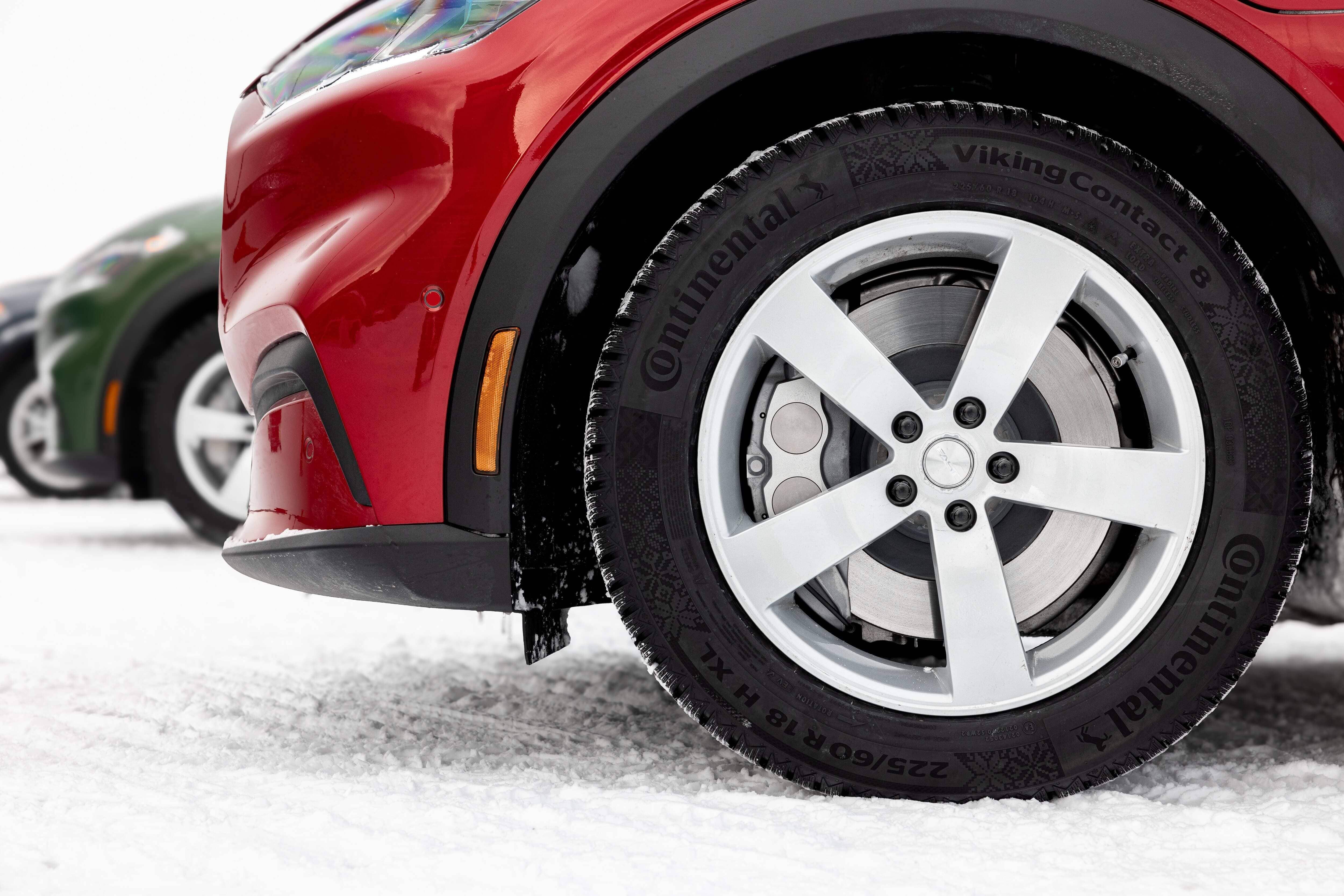
The Continental VikingContact 8 is a great winter tire designed for use on passenger cars, hybrids, and EVs, and delivers a 3PMSF-certified winter performance using PolarPlus Technology, which provides flexible tread in colder climates. Designed for harsh winter conditions, the VikingContact 8 is optimized for shorter stopping distances and starts at $168.99 per tire. The Continental VikingContact 8 received a great 8.8 as an average score with 9.3 in traction, 8.8 in handling, and 8.2 in longevity.
4. Falken Winterpeak F-Ice 1
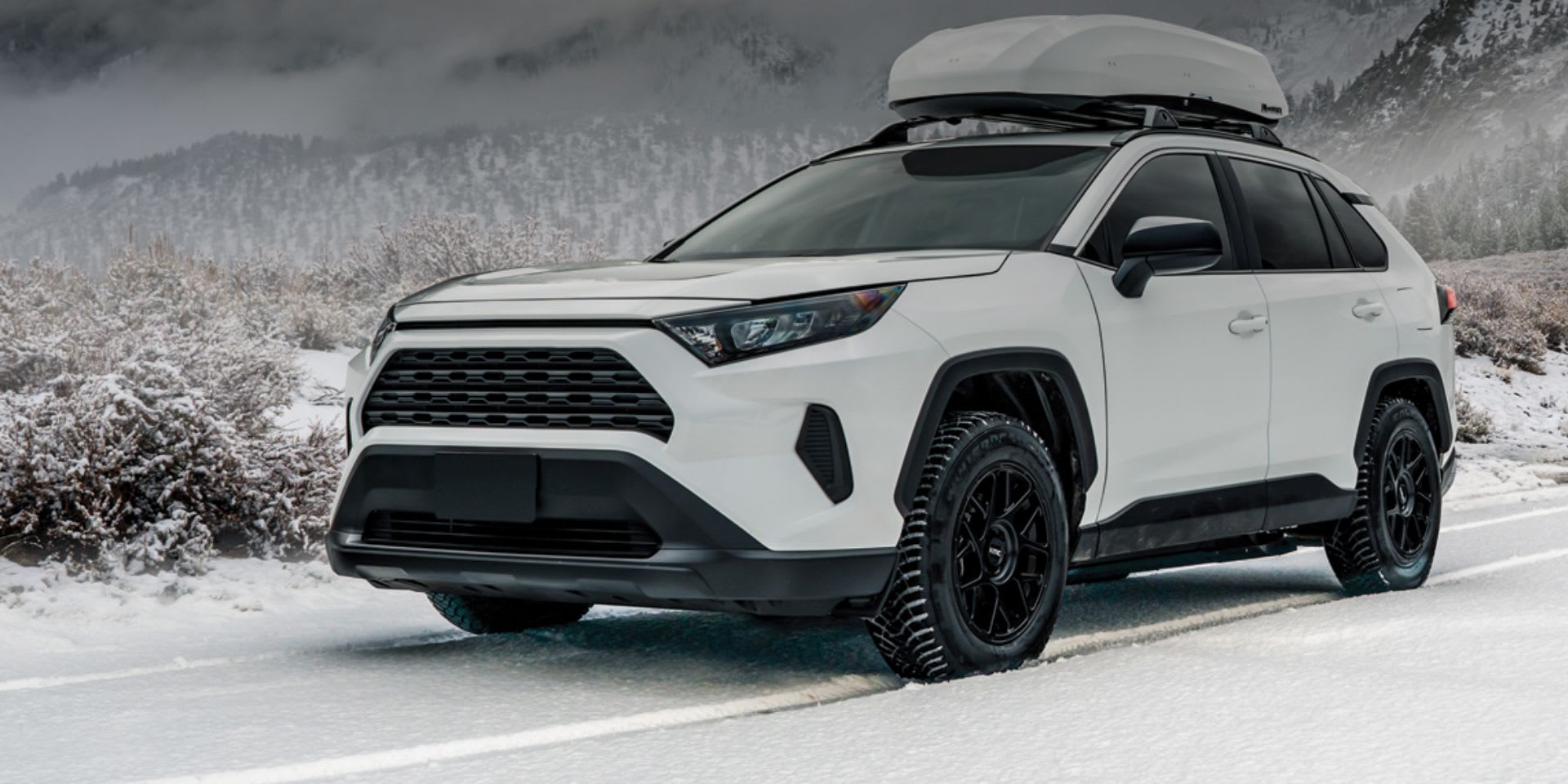
Starting at just $104 per tire, the Falken Winterpeak F-Ice 1 is an affordable 3PMSF-certified winter tire designed for use on passenger vehicles. This studdable tire can be pinned with TSMI #12 or #13, where permitted, to improve traction on snow-covered roads. Boasting an average score of 8.5 and great scores of 8.7 in longevity, 8.7 in traction, and 8.3 in handling, the Falken Winterpeak F-Ice 1 features a flexible rubber compound, curved grooves, and open shoulders for solid grip and handling in winter conditions.
5. General Grabber Arctic LT
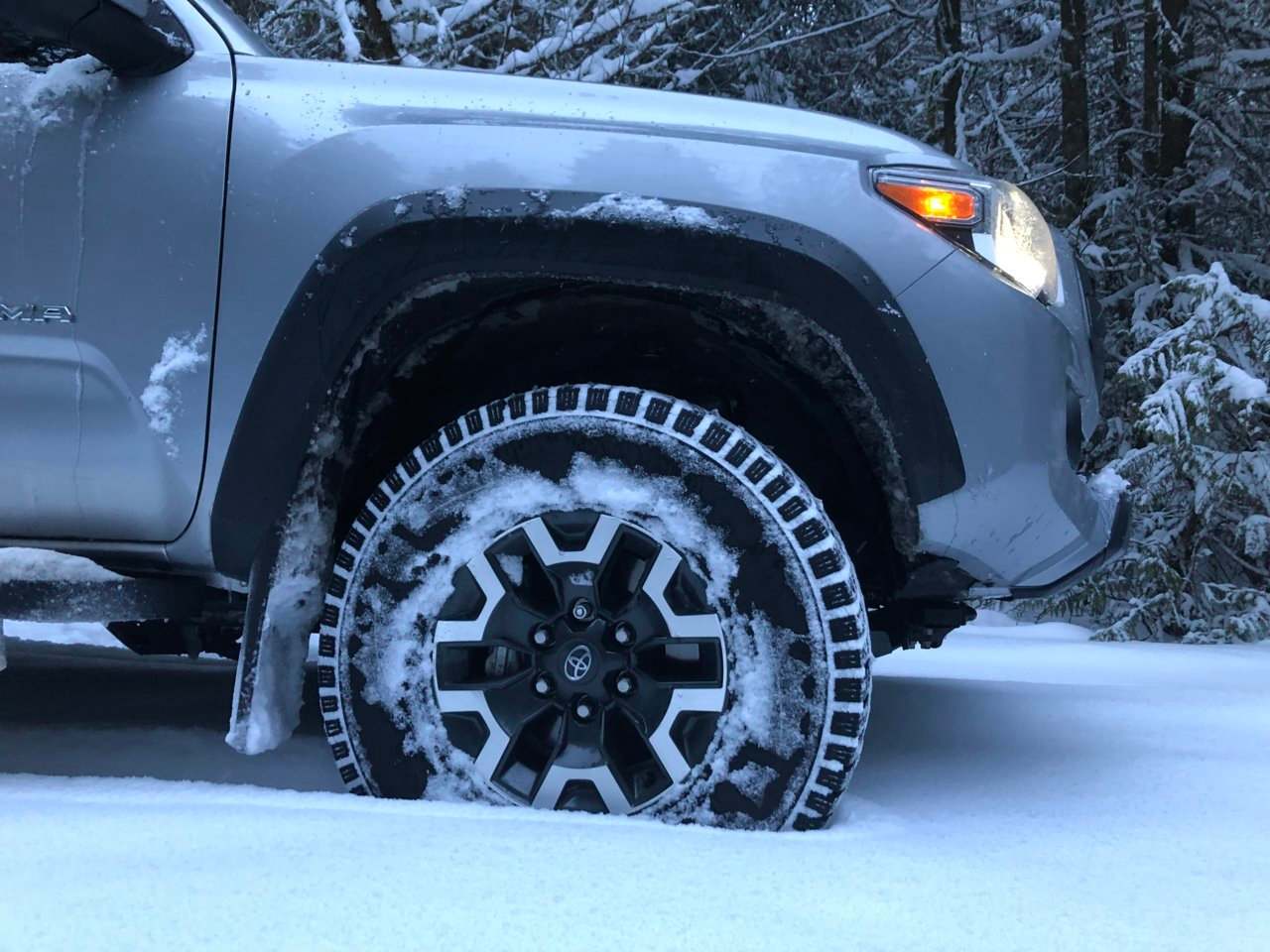
The General Grabber Arctic LT is a solid winter tire designed for use on light trucks and features a 3PMSF certification. Starting at $260 per tire, the Grabber Arctic LT is built with Duragen Technology for improved strength and durability and can be studded for even better winter traction, where permitted. Backed by a 72-month limited treadwear warranty and a 45-day satisfaction trial, the Grabber Arctic LT scored 8.3 on average score, 8.7 in traction and handling, and 8.0 in longevity.
Best Tires for Snow and Ice: Maintenance and Care
To maximize the lifespan of the best tires for snow and ice, proper maintenance is vital. Because snow tires utilize a softer rubber compound, they are susceptible to rapid wear if driven on dry, warm pavement for extended periods.
- Monitor Tread Depth: Winter performance drops significantly once tread depth reaches 6/32”. Check your tires monthly during the winter season.
- Pressure Checks: Cold air causes tire pressure to drop (roughly 1 PSI for every 10-degree decrease). Ensure your best winter tires are inflated to the manufacturer's recommended PSI.
- Prompt Seasonal Swaps: Install your winter set when temperatures consistently stay below 45°F and remove them once the spring thaw begins to preserve the tread.
How Do Snow Tires Differ from All-Season Tires?
Snow tires, engineered for severe winter weather, cater to the challenges posed by snow-covered and icy roads. Unlike all-season tires, snow tires excel in maintaining stability and control under freezing conditions. Their primary focus is to deliver optimal safety and performance when temperatures plummet, making them indispensable for winter driving.
A crucial aspect of best winter tires is their distinctive tread design. They feature pronounced grooves and expansive channels, adept at channeling away snow and preventing accumulation, thus ensuring a secure grip. Further enhancing traction, these tires incorporate a multitude of sipes—fine cuts in the tread blocks—that act as gripping edges on icy and snowy surfaces. This design provides a level of traction that all-season tires struggle to achieve in similar conditions.
Are Studded Snow Tires Better Than Regular Snow Tires?
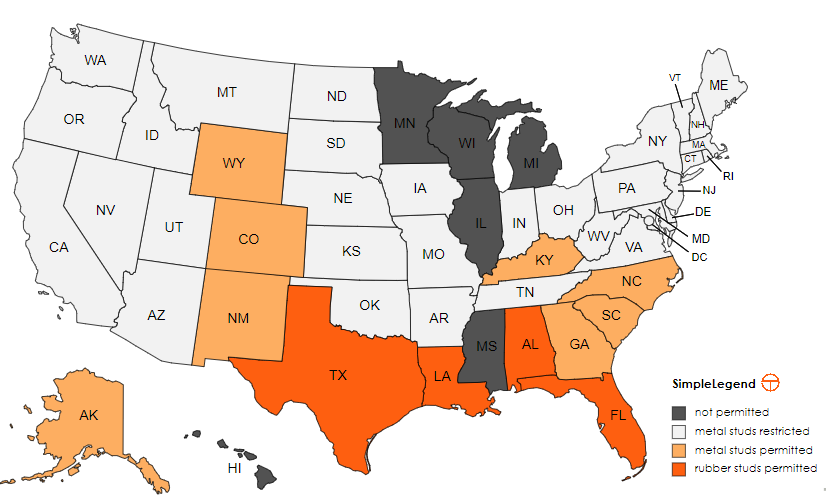
Studded snow tires have long been praised for their excellent grip on slick, icy roads. The metal studs embedded in the tire tread function like miniature anchors, enhancing traction by biting into the ice and improving stability. This feature proves invaluable in areas where ice frequently coats the roadways, ensuring drivers maintain control even in the most slippery conditions.
However, the use of studs does come with some limitations. Studded tires can cause wear on dry or merely wet roads, potentially leading to increased maintenance. For drivers seeking alternatives, studless best winter tires offer an effective solution. These tires incorporate advanced tread designs with intricate patterns to maintain a strong grip on snow and ice, eliminating the need for studs.
Finding the Best Deals on Winter Tires
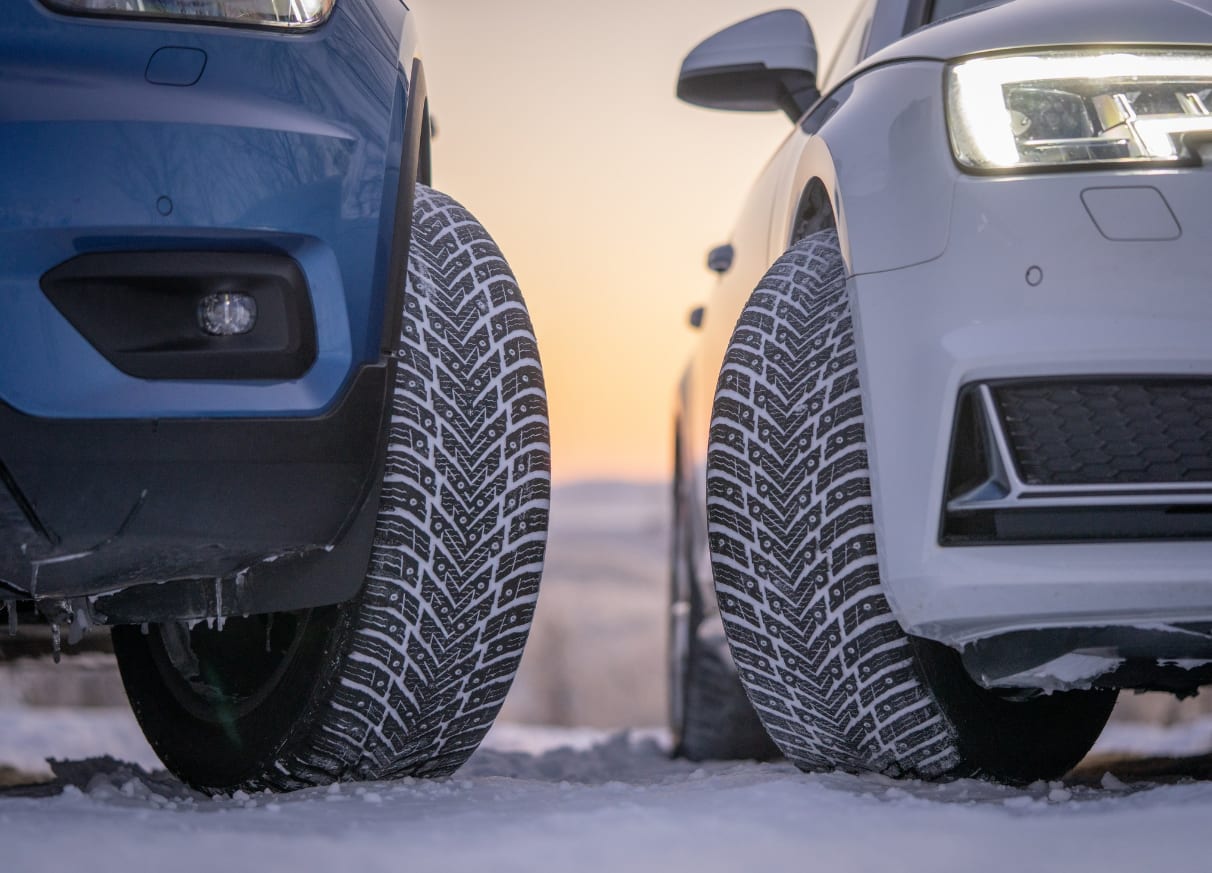
Investing in high-quality snow tires is a wise decision for anyone facing harsh winter conditions. By equipping your vehicle with tires specifically engineered for superior traction, handling, and performance in snow and ice, you can significantly enhance your safety and peace of mind on the road.
Whether you opt for the Bridgestone Blizzak 6, Falken Winterpeak F-Ice 1, or another top rated snow and ice tire, SimpleTire makes it easy to find the right fit. Browse our extensive inventory to find the perfect set for your vehicle and budget today.
You should install your best snow tires when ambient temperatures consistently drop below 45°F (7°C). All-season rubber begins to harden at this temperature, reducing grip even on dry roads.
It is not recommended. The soft rubber compounds in snow tires wear down very quickly on hot pavement, and the deep tread patterns can decrease fuel efficiency and handling precision in summer conditions.
Ready to find the perfect tires?
Search By