What are All Weather Tires?
All weather tires are specialized hybrid tires designed to offer Three-Peak Mountain Snowflake (3PMSF) certified traction in winter while remaining durable enough for hot summer pavement. They are widely considered the best tires for all season driving for those who want to avoid the hassle of biannual tire swaps.
- Year-Round Versatility: Designed to stay on your vehicle 365 days a year.
- Certified Snow Traction: Meets mandatory industry standards for severe snow service.
- Advanced Compounds: Rubber stays pliable in freezing temperatures but won't melt away in summer heat.
- Hydroplaning Resistance: Features deep, directional grooves to evacuate slush and heavy rain.
Quick Comparison: Best All Weather Tires of 2026
- Pirelli Scorpion WeatherActive: 9.5 overall SimpleScore, and a 60,000 mile warranty.
- Bridgestone WeatherPeak: 9.4 overall SimpleScore, and a 70,000 mile warranty.
- Continental SecureContact AW: 9.2 overall SimpleScore, and a 60,000 mile warranty.
- Goodyear Assurance WeatherReady 2: 9.2 overall SimpleScore, and a 60,000 mile warranty.
- Nexen N’Blue 4S 2: 9.1 overall SimpleScore, and a 70,000 mile warranty.
- Falken Aklimate: 8.9 overall SimpleScore, and a 65,000 mile warranty.
- General AltiMAX 365AW: 8.9 overall SimpleScore, and a 60,000 mile warranty.
- Yokohama Geolandar CV 4S: 8.7 overall SimpleScore, and a 60,000 mile warranty.
- Lexani Quattro Tempo AW: 8.2 overall SimpleScore, and a 50,000 mile warranty.
- Armstrong Blu-Trac PC Flex: 7.7 overall SimpleScore, and a 50,000 mile warranty.
Premium all-weather tires use advanced silica compounds and thermal-adaptive rubber to provide the closest experience to a dedicated winter tire without the need for storage.
- Pirelli Scorpion WeatherActive (Score: 9.5): Best for luxury SUVs and light trucks. It features a directional tread pattern that excels in water evacuation and deep snow grip.
- Bridgestone WeatherPeak (Score: 9.4): Known for its "Evolving Traction Grooves." It provides the most comfortable, quiet ride in the category while maintaining elite 3PMSF snow ratings.
- Continental SecureContact AW (Score: 9.2): New for 2026, the SecureContact AW offers super wet and winter weather performance.
- Goodyear Assurance WeatherReady 2 (Score: 9.2): Features "Weather Reactive Technology," which allows the tread to change as it wears to maintain grip in slush and ice.
2. Mid-Range & Budget: Value-Driven Choice
For many drivers, mid-range all-weather tires provide 90% of the performance of premium models at a significantly lower price point.
- Nexen N'Blue 4S 2 (Starting at $116): Offers a 70,000-mile warranty—the longest in the category—making it a top long-term investment for high-mileage drivers.
- Falken Aklimate (Starting at $107): A top-tier mid-range choice featuring "Snow Claw" technology for high-friction grip on packed snow and a 65,000-mile warranty.
- General AltiMAX 365AW (Starting at $121): A versatile touring tire that blends the comfort of an all-season with "Traction Teeth" for biting into deep slush. It includes visual alignment indicators.
- Yokohama Geolandar CV 4S (Starting at $182): Specifically engineered for CUVs and SUVs, this tire uses a specialized polymer blend to maintain a quiet ride while offering supreme wet-weather performance.
- Lexani Quattro Tempo AW (Starting at $50): The most accessible entry point into the all-weather segment, certified for severe snow at a budget-friendly price.
Best All Weather Tires for Snow: What to Look For
When hunting for the best all weather tires for snow, look for specific tread features that go beyond the 3PMSF symbol. Tires like the Falken Aklimate utilize "Snow Claws" to bite into packed snow, while the General AltiMAX 365AW uses "Traction Teeth" to provide extra edges for gripping slush. These features ensure that even without a dedicated winter tire, your vehicle maintains stability on icy roads and unplowed suburban streets.
3. All-Weather vs. The Competition
Choosing the right tire depends on how your local climate changes throughout the year. While all-weather tires offer year-round convenience, they handle cold and snow differently than their peers:
All-Weather vs. All-Season
While both tire types are designed for year-round use, the primary difference lies in how they handle dropping temperatures and winter precipitation.
- Snow Traction: All-weather tires are 3PMSF-certified (Three-Peak Mountain Snowflake), whereas standard all-season tires are typically only M+S (Mud and Snow) rated.
- The Temperature Threshold: All-season tires begin to harden at 45°F, losing grip. All-weather tires use "low-Tg" polymers that stay soft well below freezing.
All-Weather vs. Winter Tires
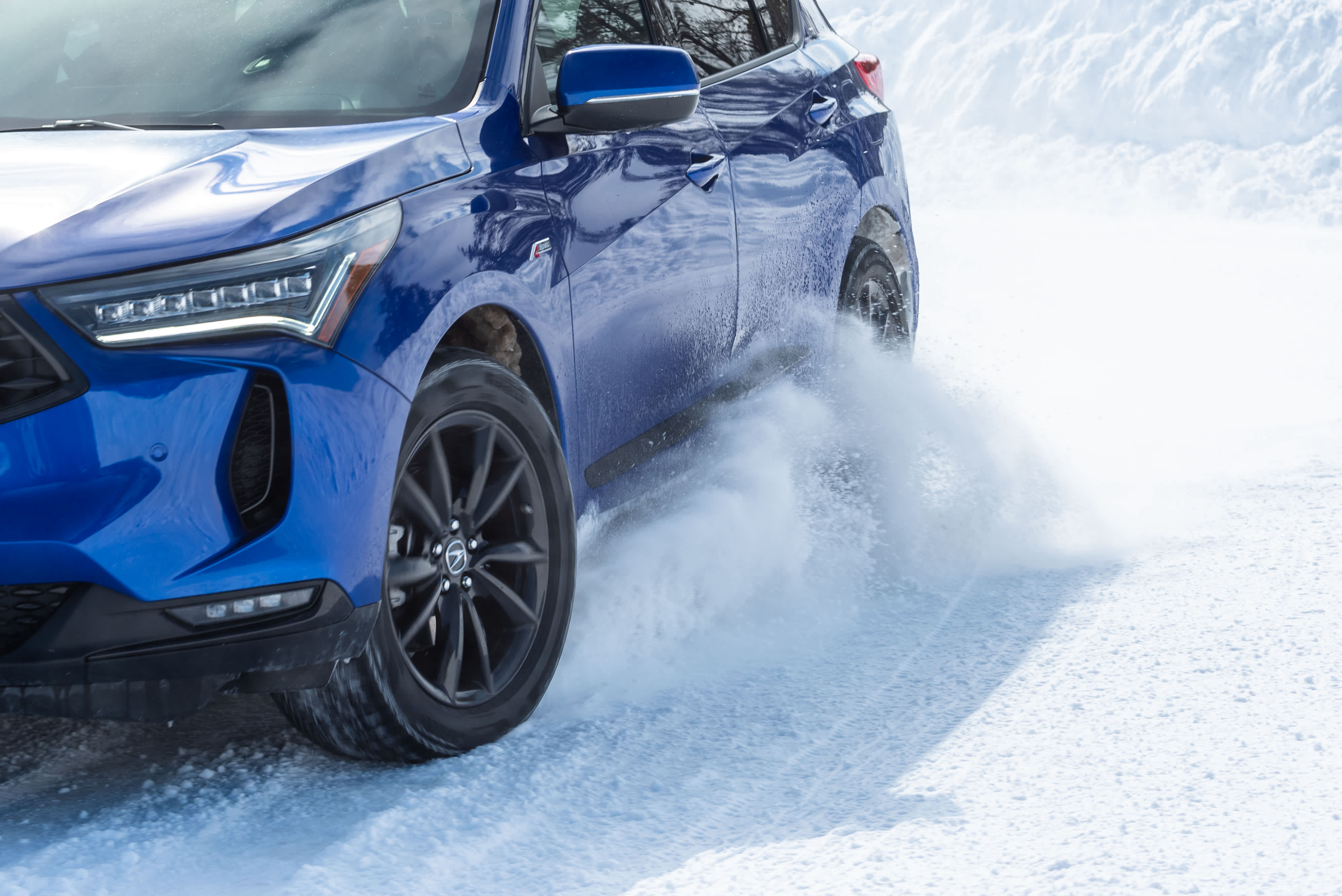
Choosing the right cold-weather option depends on whether you need a versatile, year-round solution or specialized protection against extreme ice and deep snow.
- Versatility: Winter tires must be removed when temperatures rise above 45°F to prevent rapid tread wear. All-weather tires can stay on the car at 100°F without issue.
- Extreme Conditions: In regions with consistent black ice or 50+ inches of annual snowfall, a dedicated winter tire like the Bridgestone Blizzak remains the safest choice.
4. Are All-Weather Tires Right for You?
Before buying, evaluate your driving environment against these benchmarks:
- Climate: If you live in an area with "moderate" winters (occasional snow, frequent slush, and temperatures fluctuating around freezing), all-weather tires are ideal.
- Convenience: If you don't have space to store a second set of tires or want to avoid the cost of biannual swaps (roughly $150 to $200/year), these are the best solution.
- Terrain: For flat city streets, all-weather tires are sufficient. For steep, unplowed mountain inclines, stick to dedicated winter tires.
Expert Maintenance Tips for All-Weather Tires
To maximize the lifespan of your all weather tires, consistent maintenance is key:
- Check Pressure Monthly: Cold snaps can drop tire pressure significantly; ensure they are at the manufacturer's recommended PSI.
- Rotate Every 5,000 Miles: Because many all-weather tires use directional tread patterns, proper rotation is essential to prevent uneven wear.
- Monitor Tread Depth: For optimal performance as the best all weather tires for snow, consider replacing them once they reach 4/32" of tread depth, rather than the legal 2/32" limit.
Summary and Next Steps
The best all weather tires represent the future of year-round driving, providing a consistent alternative to all-season tires without the logistical burden of winter swaps. Whether you prioritize the long-lasting warranty of the Nexen N'Blue 4S 2 or the premium engineering of the Bridgestone WeatherPeak, there is a hybrid solution for every budget.
Ready to find the perfect tires? Explore our full inventory of all-weather tires here.
